

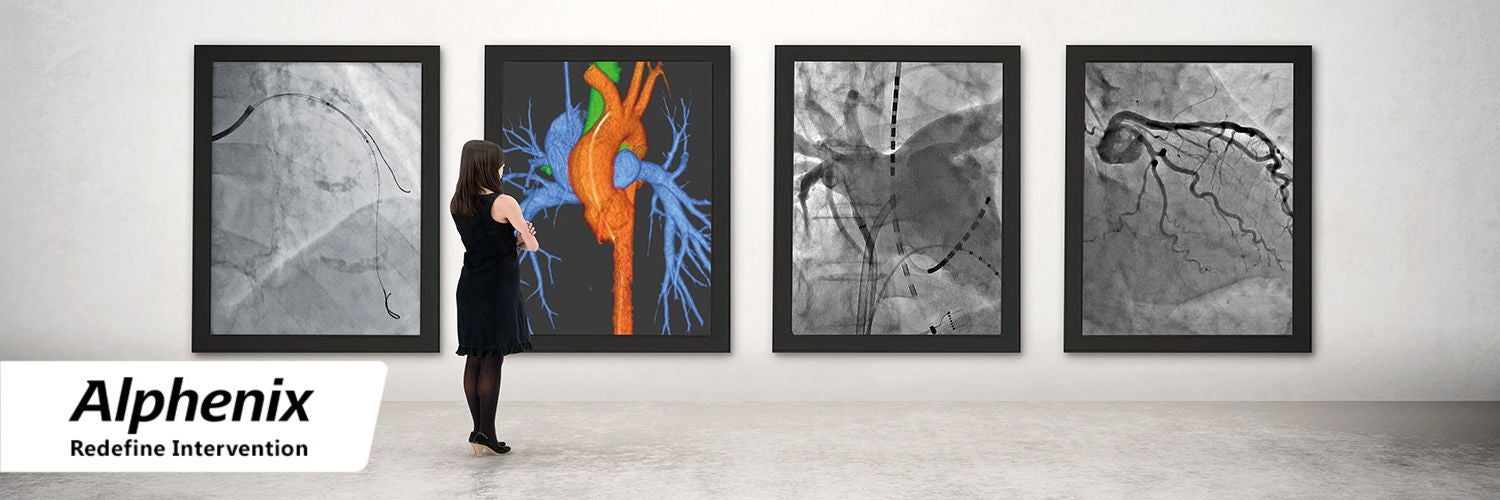
Redefine interventional cardiology workflow
Clinical Experience
Nadeem Mughal, Senior cath-lab radiographer | Royal North Shore Hospital, Sydney
Alphenix - Watch this video and hear why Nadeem Mughal (RNSH) says the Alphenix is the prefect combination of flexibility, workflow and image quality.
Service - Hear about the important role that Canon’s personalised service plays in helping RNSH provide critical cardiology services.

ImagingRite
Navigate with confidence and accuracy
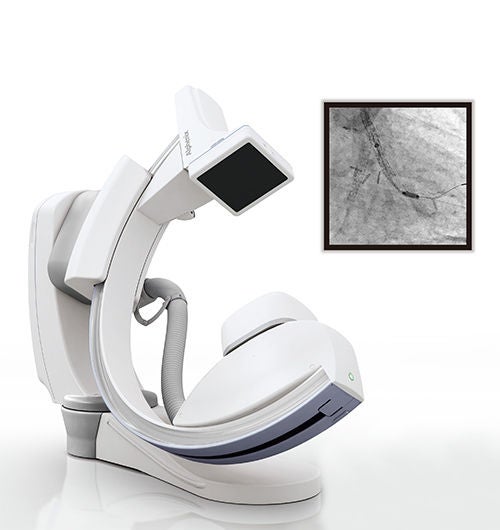
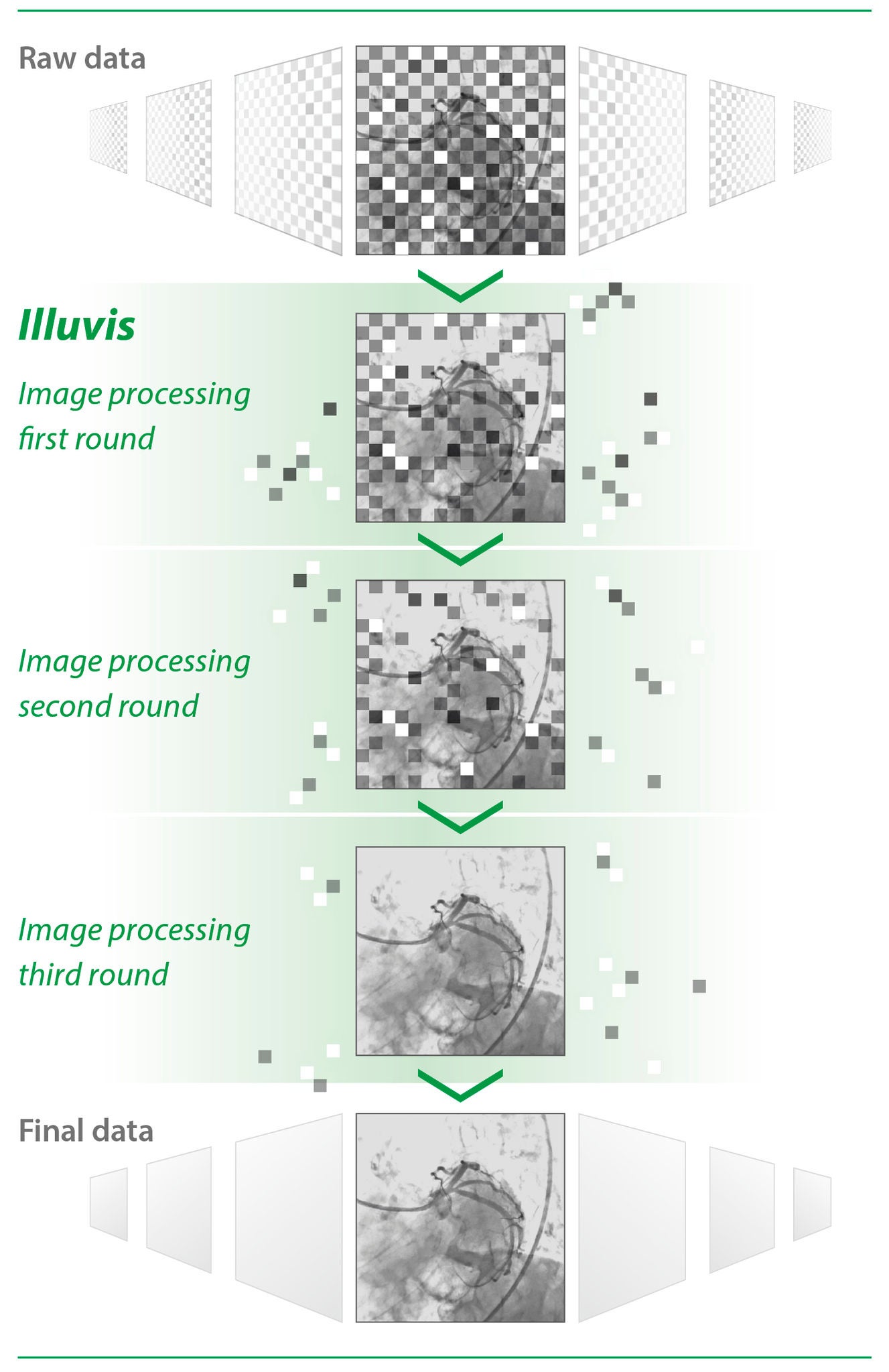
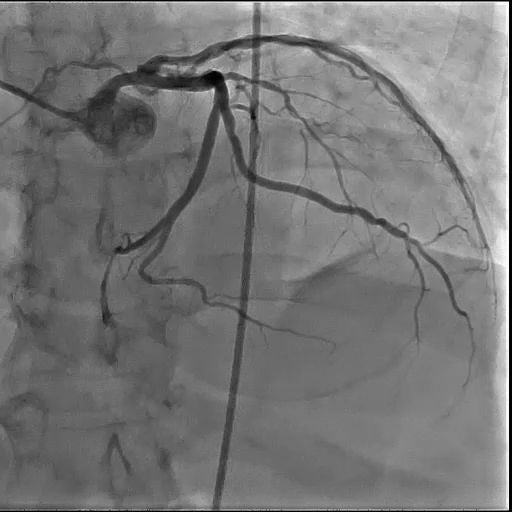
The Alphenix family features an improved imaging chain, the latest 16-bit processing and Canon Medical’s Illuvis noise reduction technology to provide clearer, sharper and more defined images during stent placement and ablation procedures.
Dose reduced by 65-85%
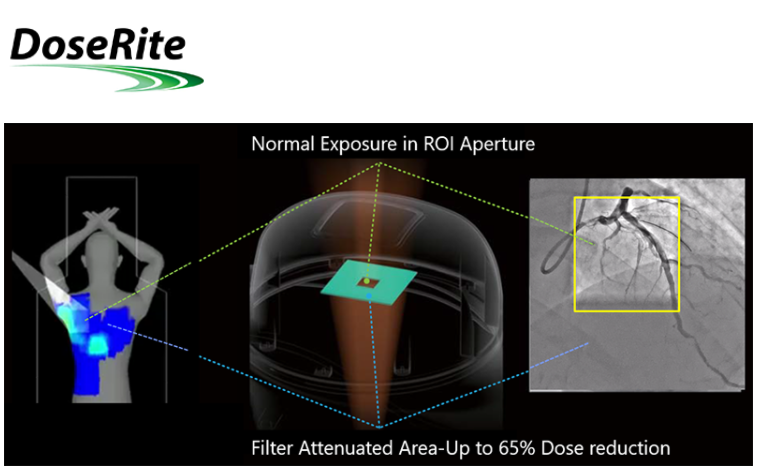
"Spot ROI helps us reduce radiation dose to our patients (and staff). Its use of a filter that is introduced into the beam with an aperture means we can maintain the image quality we want at the point of treatment but the surrounding field of view with catheter tip and guide wire tip can still be seen at a dose that is reduced by 65-85%. "
Prof. Christopher Zeitz
Director of Interventional Cardiology
Queen Elizabeth Hospital
A study by The St George Hospital found that use of advanced Dose Reduction Technology (DTS) resulted in a 46% reduction in peak skin dose during coronary stent insertion. Researchers confirmed that ongoing real-time dose feedback is a critical factor in the successful modification of operator behaviour to reduce radiation dose. *
*Wilson S, Prasan AM, Virdi A, et al. Real-time colour pictorial radiation monitoring during coronary angiography: effect on patient peak skin and total dose during coronary angiography. EuroIntervention 2016;12: 939–47.
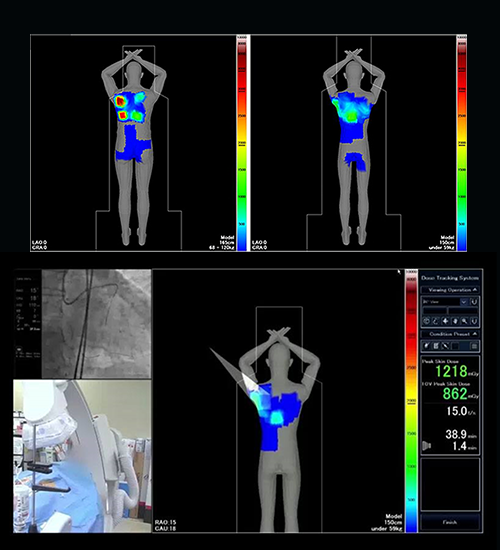

“Dose reduction is now a top priority everywhere in the guidelines, but how to achieve it is not always at hand. All the tools that have been made available to us with Alphenix Core + have been very useful to improve the overall safety of our procedures radiation-wise - Spot ROI and Live Zoom, but also sound alerts and the very intuitive dose tracking system.”
DoseRite
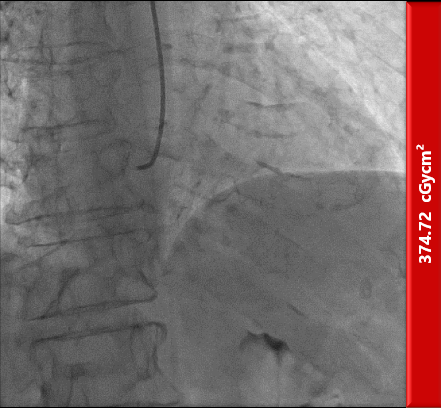
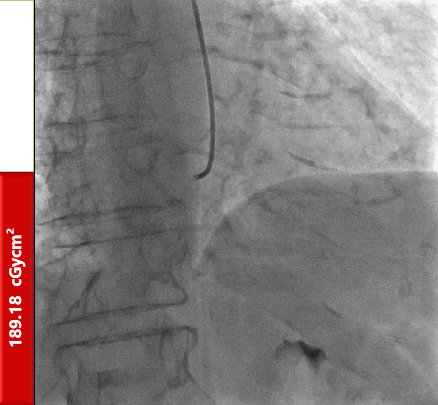
Live Zoom - Digital magnification with up to 50% dose reduction
- Digitally magnify the image display without increasing detector input dose
- Increases image display size in real-time during both fluoroscopy and digital acquisition (DA), offering dose savings compared to traditional FOV magnifications
Interventional Cardiology
Toolkit
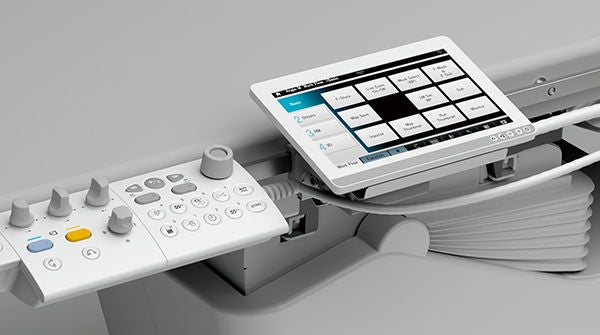
The Aphenix systems provide a comprehensive suite of advanced imaging tools to enhance visualisation. Applications are integrated into the new feature-rich workstation to improve workflow.
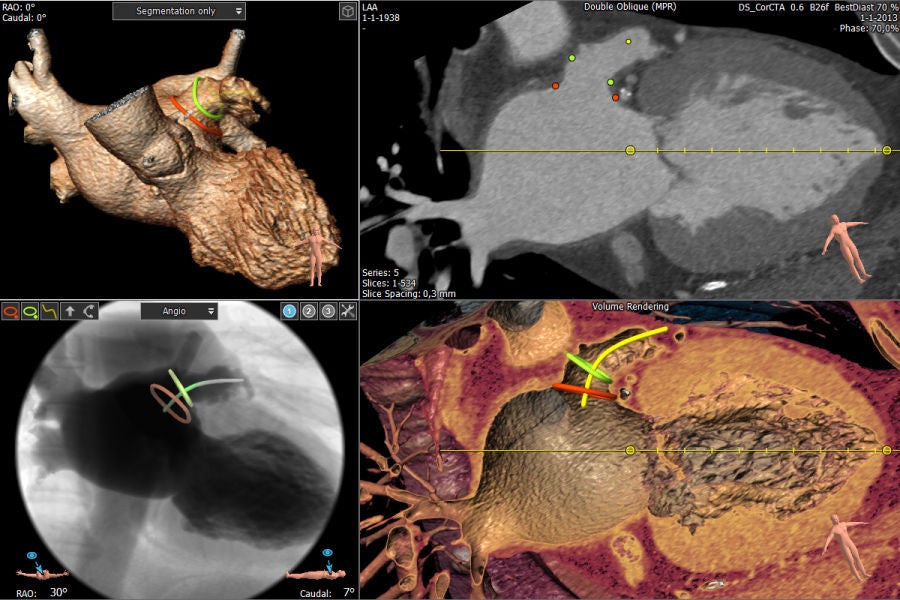
Plan Left Atrial Appendage Interventions
The LAA workflow assistant helps quickly assess left atrial appendage shape and orientation to select the right device for your patient.
- Easy recognition of thrombus
- Assess Anatomy of LAA
- Landing Zone / Ostium Measurements
- C-arm Angulation
¹Designed and manufactured by Pie Medical Imaging.
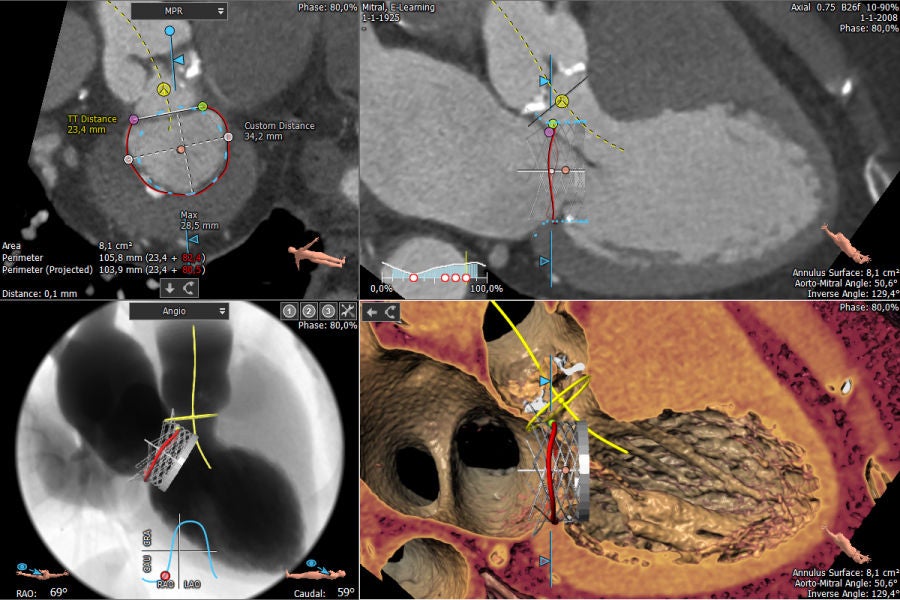
3Mensio Mitral Valve Planning¹
Plan Mitral Valve Replacement Interventions
A single mouse click provides multiple viewing orientations to assess the mitral valve.
- Locate and Trace
- Valve Measure
- Route Assessment
- C-arm Angulation
¹Designed and manufactured by Pie Medical Imaging.
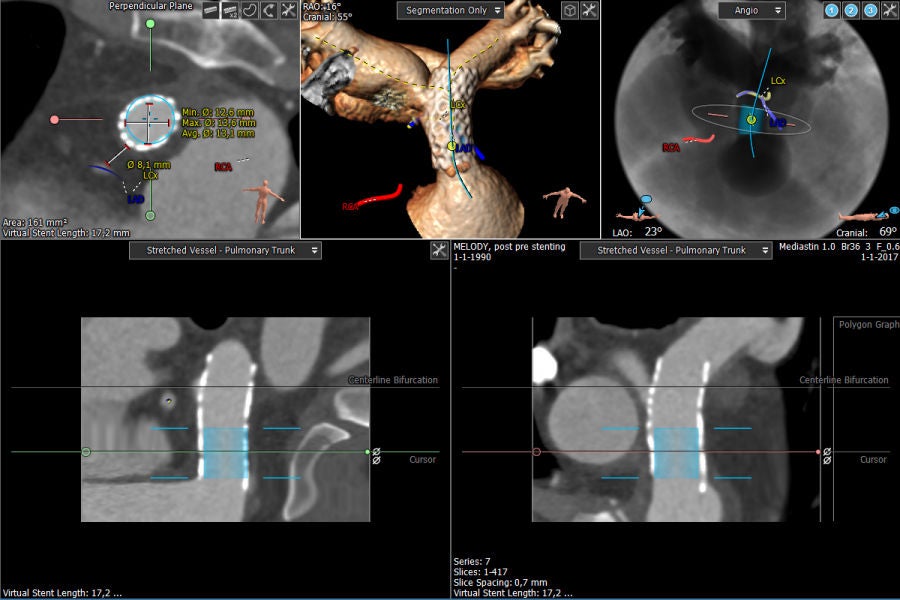
3Mensio Pulmonary Valve Planning¹
Plan Percutaneous Pulmonary Valve Implantations
Determine the anatomy and dimensions of the patient's pulmonary trunk and surrounding tissue.
- Measure
- Annotate Coronary Arteries
- Virtual Stent
- C-arm Angulation
¹Designed and manufactured by Pie Medical Imaging.
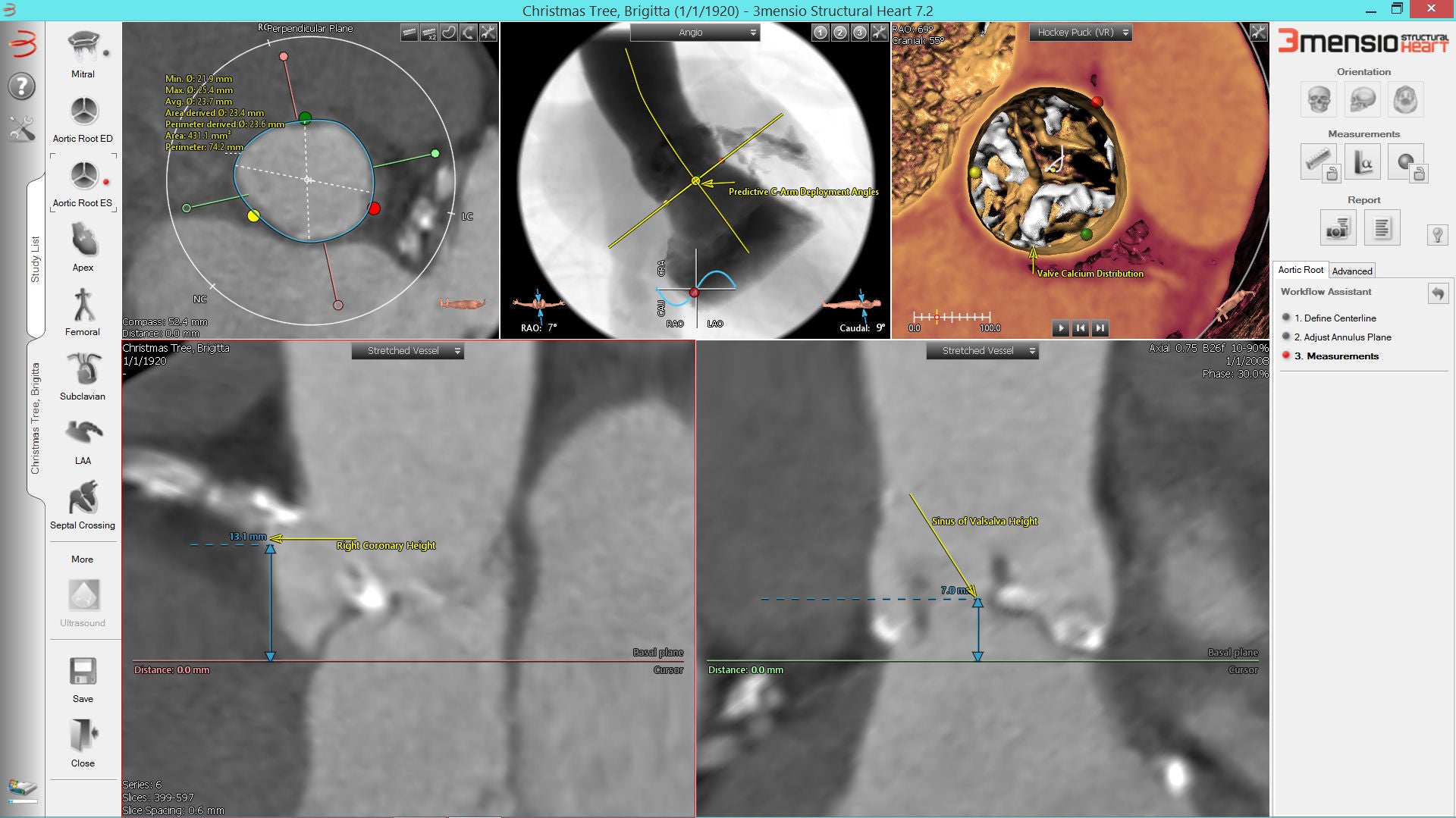
3Mensio TAVR Planning¹
Aortic valve assessment and evaluation
CT Transcatheter Aortic Valve Replacement (TAVR) Planning assists with the assessment of the aortic valve and in pre-operative planning and post-operative evaluation of transcatheter aortic valve replacement procedures.
¹Designed and manufactured by Pie Medical Imaging.
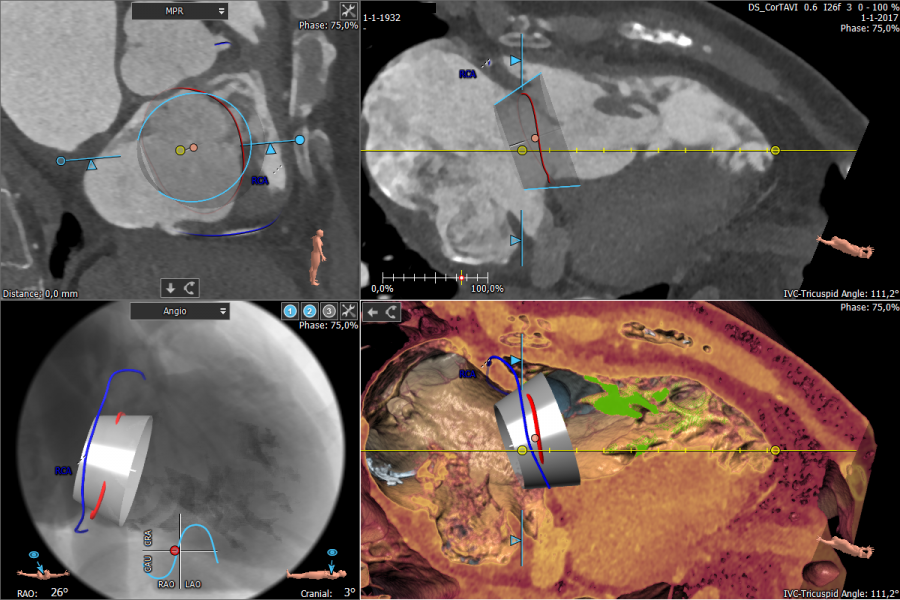
3Mensio Tricuspid Valve Planning¹
Pre-plan Transcatheter Tricuspid Valve Repair Procedures
Determine the anatomy and dimensions of the patient's tricuspid valve and surrounding tissue.
- Measure
- Annotate Coronary Arteries
- Virtual Stent
- C-arm Angulation
¹Designed and manufactured by Pie Medical Imaging.
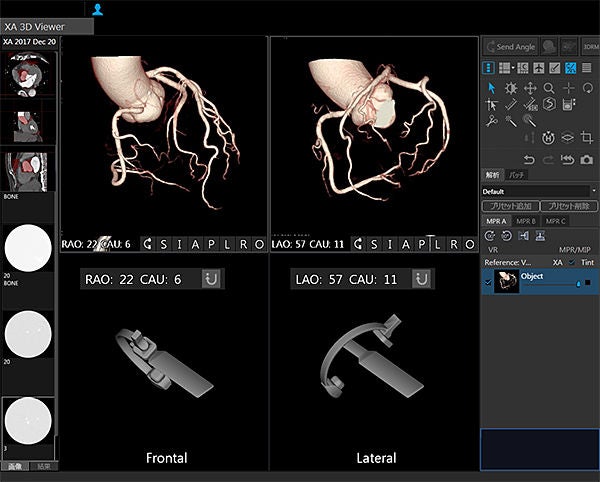
3D Angio
Fast and Intuitive Workflow
3D rotational speed up to 50 deg/sec
3D Roadmap
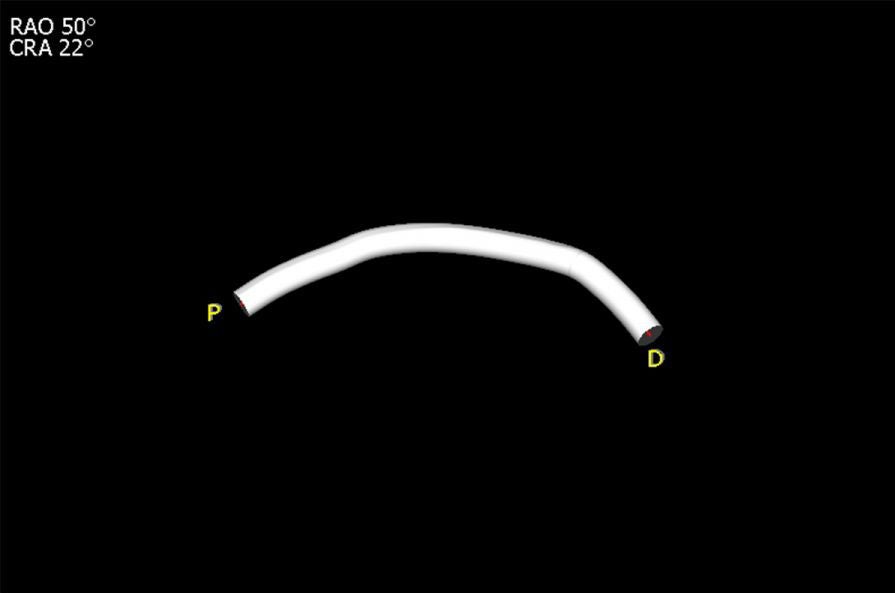
Turn 3D Acquisitions into live Fluoro roadmaps
3D image display changes according to the system conditions such as the C-arm angle, SID, field size, tabletop height, and tabletop panning.
IV Linq¹
IVUS/OCT Integration
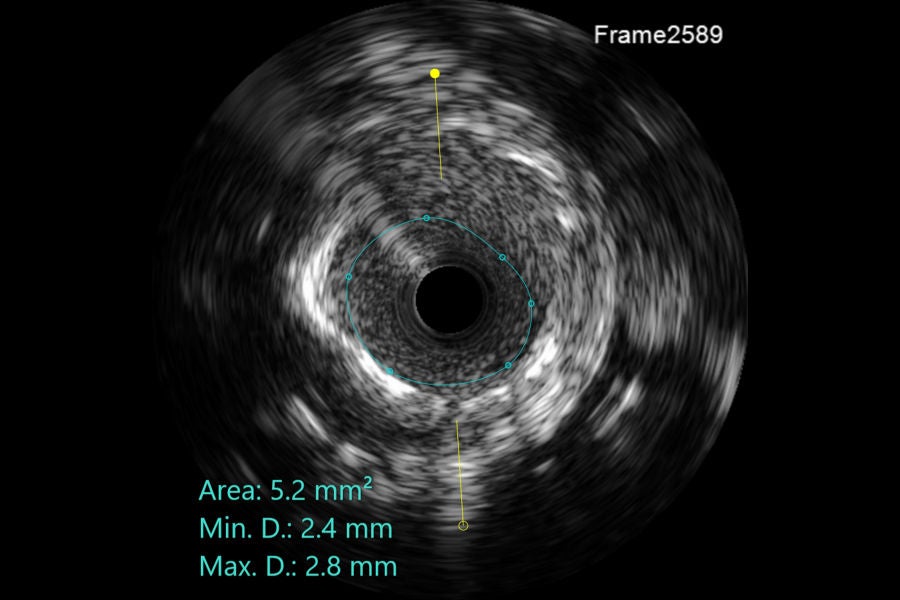
Images from IVUS or OCT can be imported and it can assist decisions of stents and the positions for deployment. IV-LINQ currently supports:
- DICOM import of IVUS/OCT
- Boston Scientific iLAB 2.7
- Boston Scientific iLAB 3.0 (Polaris)
- Volcano S5
- Infraredx TVC
- Acist HDi
- Terumo Visiwave
- Terumo Lunawave
- St. Jude Ilumien
¹Designed and manufactured by Pie Medical Imaging.
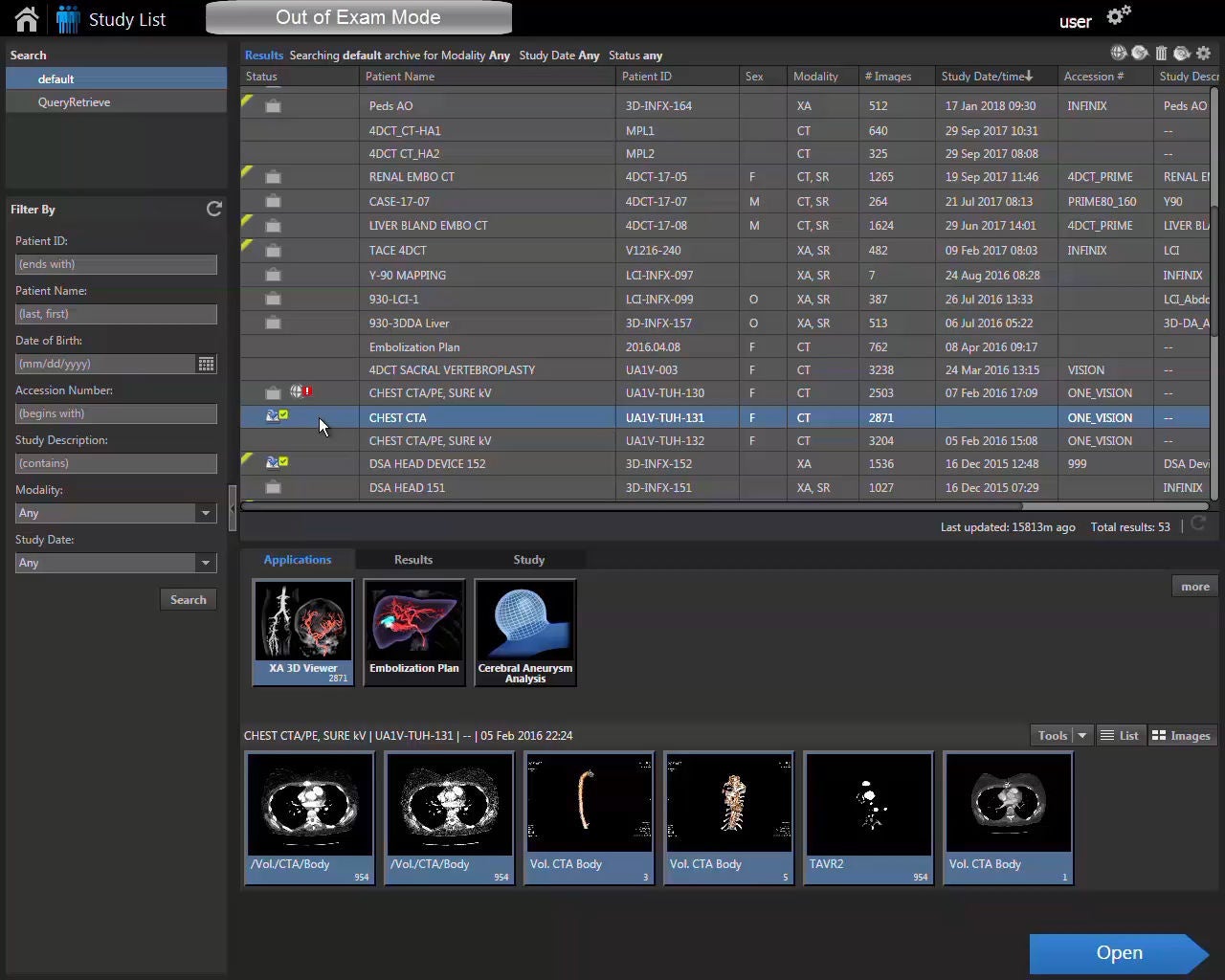
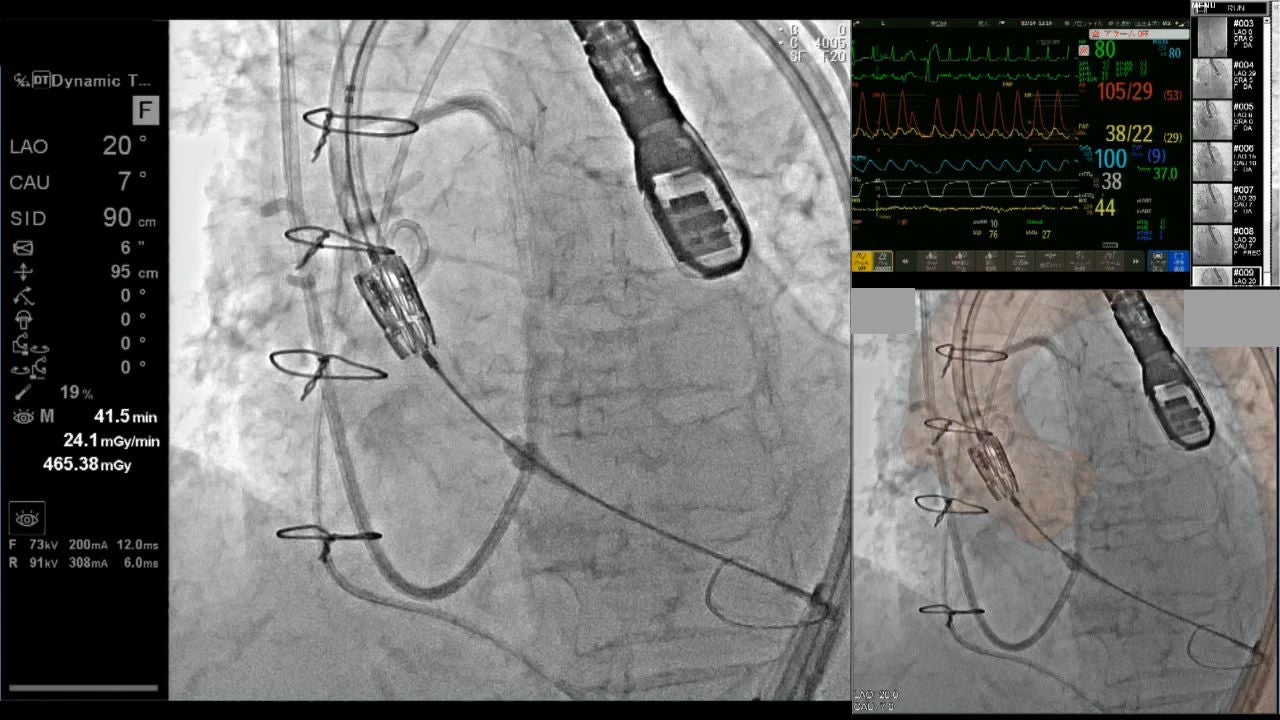
Left Atrium Segmentation¹
Quickly plan AF Ablations
- Enables the 3D Volume data to be superimposed on the live fluoro display
- This feature provides additional views of the vascular anatomy to aid clinicians during interventional procedures
- When the C-arm rotates, the transparent volume image rotates as well
¹Designed and manufactured by Pie Medical Imaging.
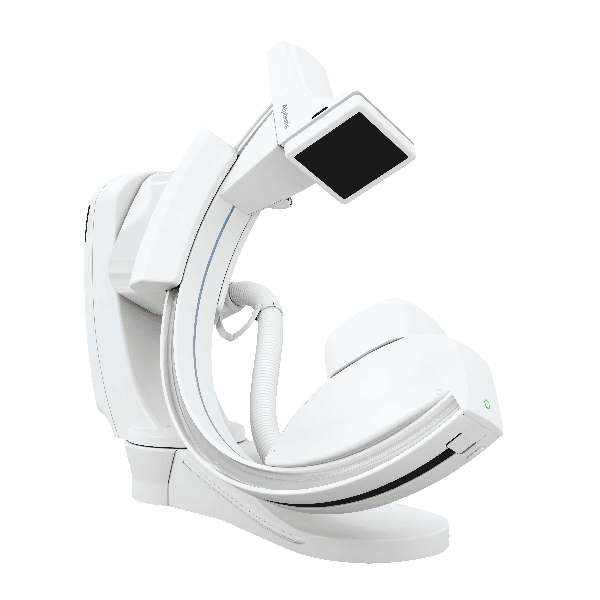
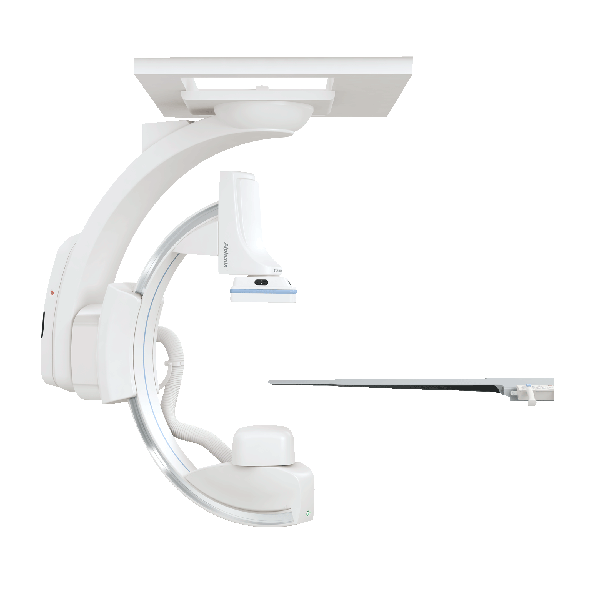
System Options
Flexible Configurations to Address Your Clinical Needs
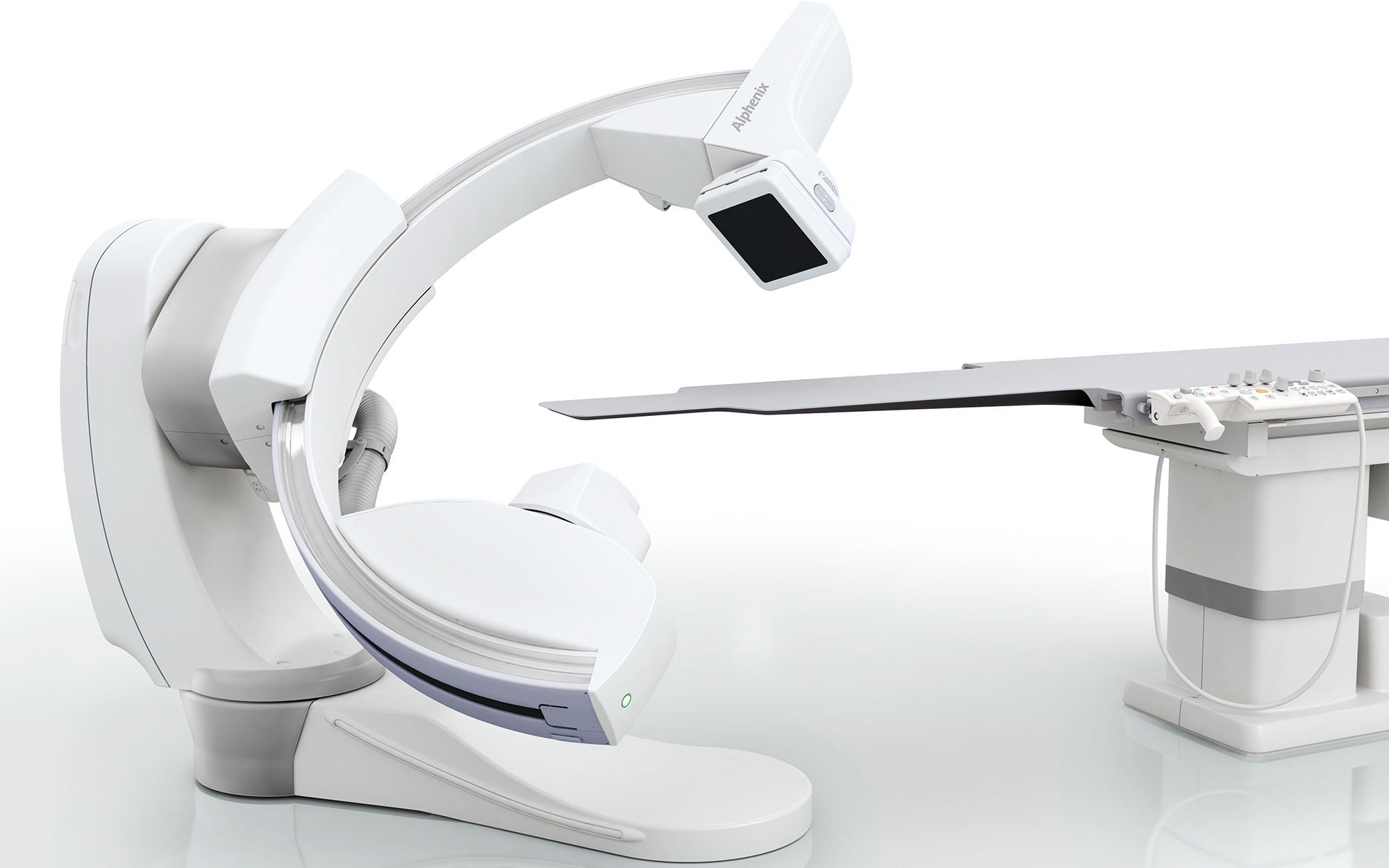
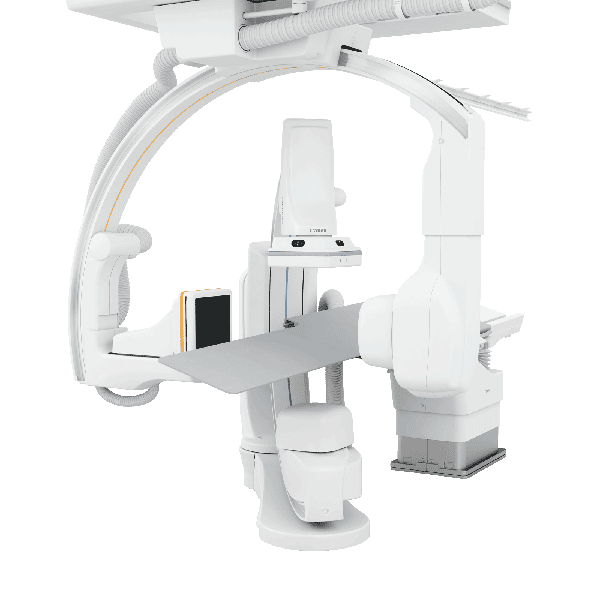
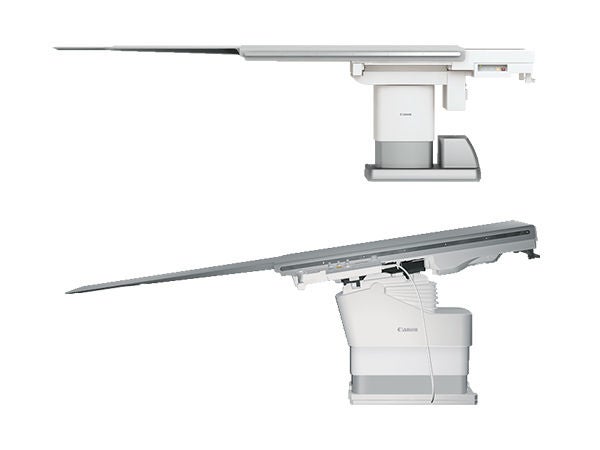
Developed in collaboration with leading clinicians, Alphenix offers a range of C-arm positioners designed to offer unprecedented access to your patient.
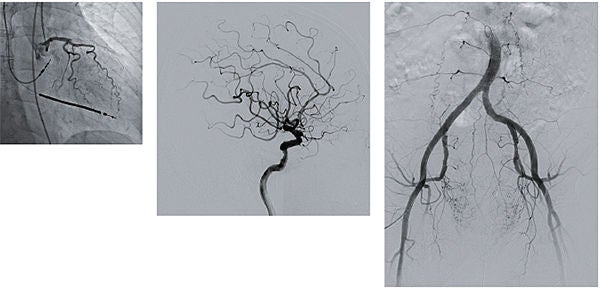

Innovative Hi-Def imaging system for complex interventional cardiology procedures
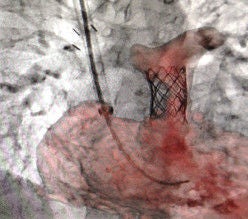
Initial experience using a novel Hi-Def imaging system shows that it can be used safely to improve visualisation of coronary arteries and interventional devices during PCI in real-time, with no observable increase in patient dose. Images obtained in the Hi-Def setting have a higher resolution and improved quality compared to standard imaging modes, allowing visual analysis of vessel anatomy and stent structure with a high level of accuracy.
- Salman A. Arain, MD, FACC, FSCAI, and Richard Smalling, MD, PhD, FACC, MSCAI, The University of Texas Health Science Center at Houston, Houston, TX.
Leading Solutions for Your Interventions
Dose reduction is now a top priority everywhere in the guidelines, but how to achieve it is not always at hand. All the tools that have been made available to us with Alphenix Core + have been very useful to improve the overall safety of our procedures radiation-wise - Spot ROI and Live Zoom, but also sound alerts and the very intuitive dose tracking system.
Prof. Laurent Feldman, Bichat Hospital (Paris University)
Future-proofing TQEH with Alphenix Core+
Overall, we feel that we have made the right choice with a flexible and versatile system that provides the required tools to conduct expert interventional procedures. With its increased image quality and low dose parameters, we are confident that we can deliver the very best care to our patients now and long into the future.
Prof. Christopher Zeitz, Director of Cardiology, The Queen Elizabeth Hospital
Enhancing PCI Among the Largest, Best Equipped Cardiovascular Centers in Japan.
“Stent enhance mode makes seeing the stent clearly, showing its positional relationships with the balloon, thereby helping to ensure a successful outcome.”
Dr. Yasuhide Asaumi Chief Physician
The Alphenix Biplane Cardiac Solution: Toyohashi Heart Center Delivers High Image Quality and Lower Dose Exposure
Dr. Kenya Nasu, Director of Cardiovascular Medicine
The Next Advance Is Now in Sight Alphenix Biplane
Kenya Nasu, MD, Department of Cardiology, Toyohashi Heart Center, Aichi, Japan
Contact us to learn more about our service
Social Media


